

Wooden Furniture
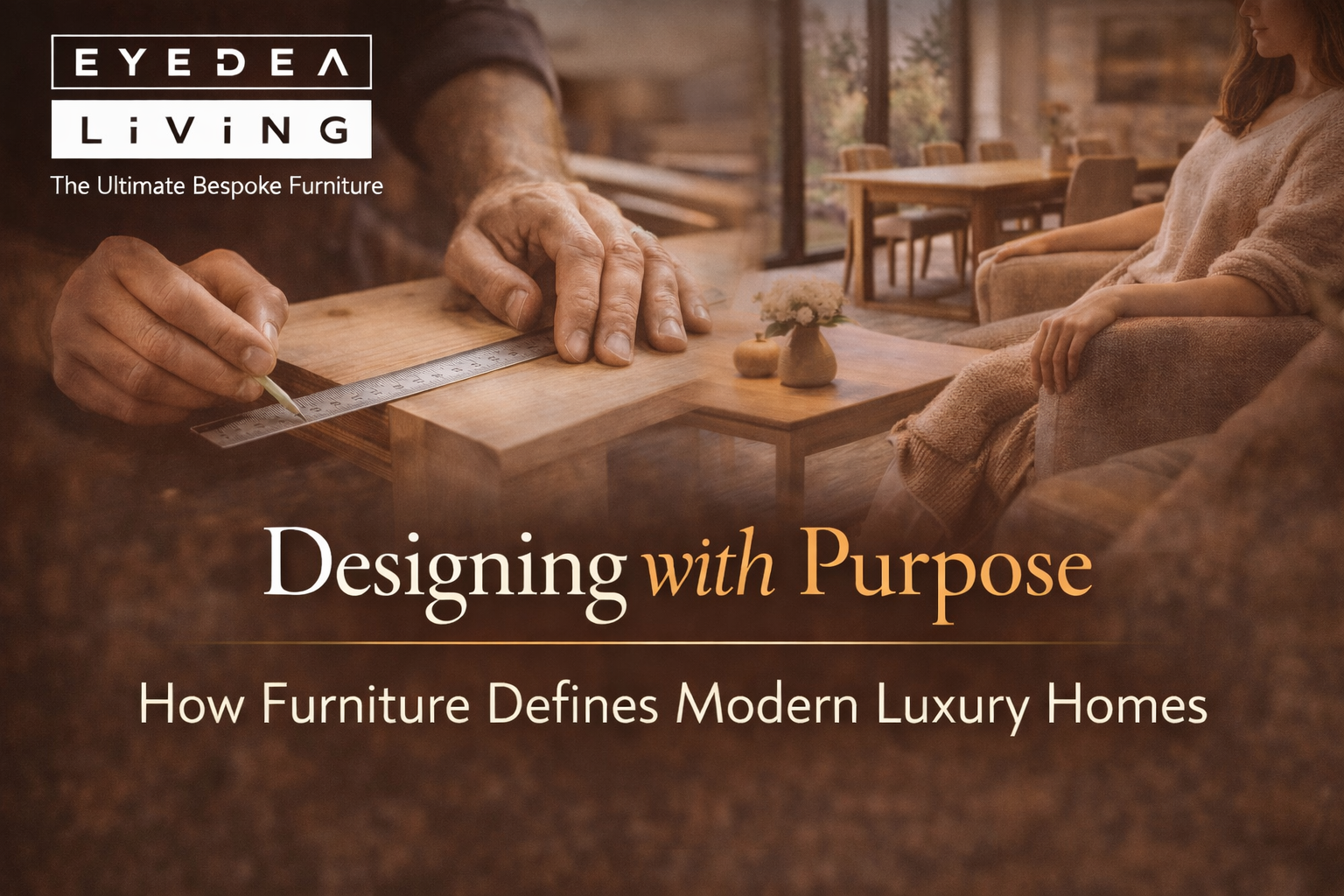
Designing with Purpose: How Furniture Defines Modern Luxury Homes
Feb
Luxury homes today are not designed to impress at first glance alone—they are designed to support how people live, move, and feel within a space. As interiors become more refined and intentional, furniture plays a defining role in shaping the overall experience of modern luxury living.
In contemporary homes, furniture is no longer selected as a decorative layer. It is planned as a core design element that connects architecture, comfort, and personal lifestyle into one cohesive environment.
Furniture as the Language of the Home
Every luxury home tells a story, and furniture is the language through which that story is expressed. The scale of a sofa, the placement of a dining table, or the proportion of a lounge chair can subtly influence how a space is perceived and used.
Well-designed furniture:
- Creates clarity within open layouts
- Defines zones without walls
- Establishes rhythm and balance
- Enhances visual flow
Rather than filling space, furniture gives it meaning.
he Shift from Decorative to Functional Luxury
Modern luxury has moved away from excess ornamentation toward thoughtful functionality. Furniture must look refined while performing seamlessly in daily life.
This shift prioritises:
- Clean, confident silhouettes
- Practical proportions
- Ease of movement
- Long-term comfort
Luxury furniture today is judged not only by appearance, but by how effortlessly it supports everyday routines.
Proportion: The Quiet Power of Good Design
One of the most overlooked aspects of furniture design is proportion. Even the most expensive materials cannot compensate for poor scale.
In luxury interiors, proportion ensures:
- Furniture feels integrated, not imposed
- Rooms remain open and breathable
- Comfort is intuitive rather than forced
When furniture is designed to fit the architecture precisely, the space feels natural and composed.
Materials That Elevate Without Overpowering
Modern luxury interiors favour materials that feel authentic and grounded. Furniture becomes a medium through which these materials are expressed.
Natural woods, stones, metals, and premium upholstery bring:
- Warmth and texture
- Visual depth
- Tactile richness
- Timeless appeal
The beauty of luxury furniture lies in restraint—allowing materials to speak without excess decoration.
Comfort as a Design Standard
Luxury is incomplete without comfort. Seating that looks beautiful but feels uncomfortable fails its purpose.
Thoughtfully designed furniture considers:
- Ergonomic support
- Balanced seat depth and height
- Relaxed but structured forms
- Comfort across extended use
When comfort is embedded into design, luxury becomes something that is experienced every day, not just admired.
Furniture That Responds to Modern Lifestyles
Today’s luxury homes are multifunctional. Living spaces often accommodate work, leisure, entertainment, and rest within the same environment.
Furniture must therefore be:
- Adaptable to different uses
- Easy to move and reconfigure
- Designed for real-life scenarios
- Durable enough for everyday use
This adaptability defines furniture that is truly modern and relevant.
Bespoke Furniture and Individual Identity
Luxury homes are deeply personal. Furniture designed specifically for a space allows homeowners to express individuality without compromising cohesion.
Bespoke furniture enables:
- Exact alignment with room dimensions
- Material choices tailored to personal taste
- Seamless coordination with interiors
- Unique, one-of-a-kind pieces
This level of customisation ensures that the home feels intentional rather than assembled.
Longevity as the True Marker of Luxury
Trends change, but well-designed furniture remains relevant. Luxury interiors increasingly prioritise longevity over novelty.
Furniture designed for long-term value:
- Ages gracefully
- Reduces frequent replacement
- Maintains aesthetic relevance
- Supports sustainable living choices
True luxury is measured not by how new something feels, but by how well it endures.
The Emotional Impact of Thoughtful Furniture
Beyond function and aesthetics, furniture shapes emotional experience. It influences how relaxed a space feels, how welcoming it is, and how people connect within it.
Well-designed furniture:
- Encourages comfort and calm
- Supports meaningful interaction
- Makes spaces feel lived-in, not staged
Luxury interiors succeed when they feel human, not performative.
Conclusion
In modern luxury homes, furniture is not an accessory—it is a foundation. From proportion and materiality to comfort and longevity, every design decision shapes how a space is experienced.
When furniture is designed with purpose, it elevates interiors quietly and confidently. It allows homes to feel refined without being rigid, luxurious without being excessive.
That is the essence of modern luxury living—thoughtful design that enhances everyday life.
